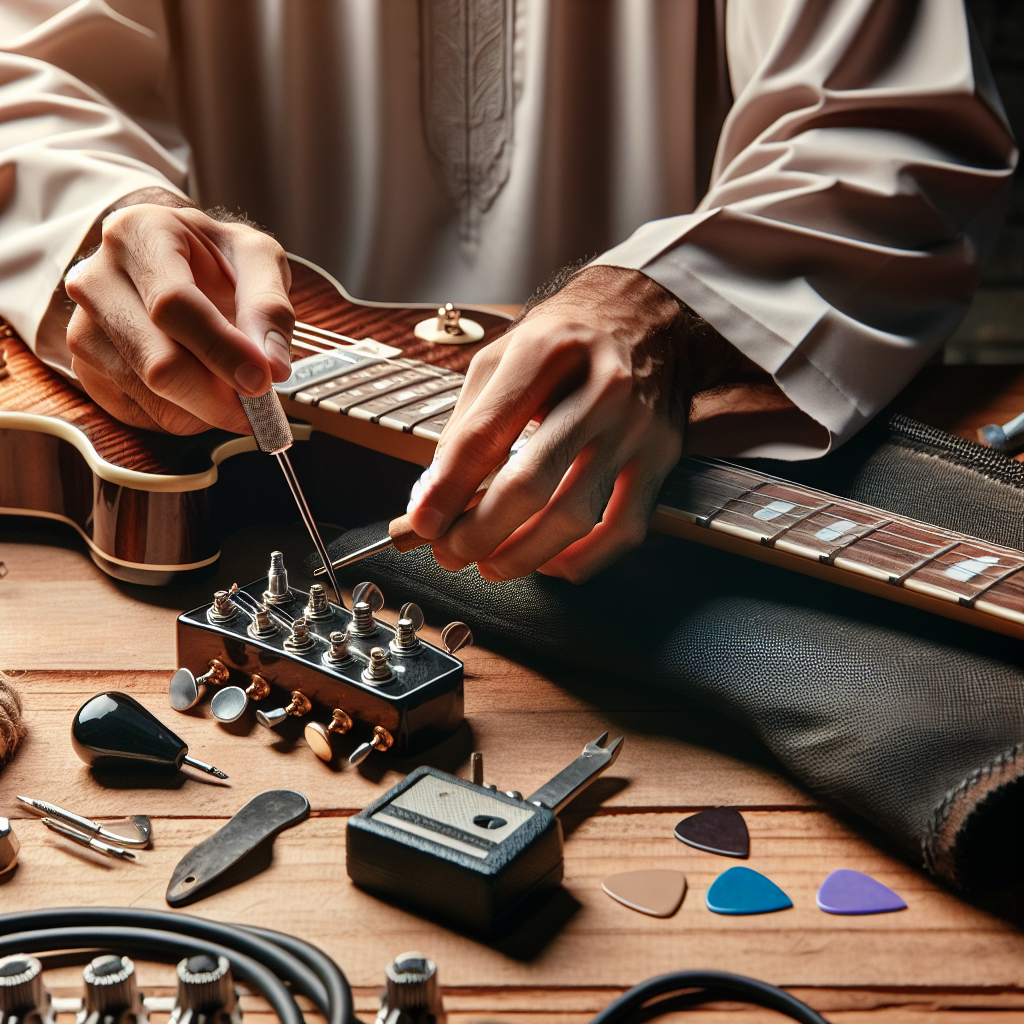
7 Simple Steps to Fix Your Guitar Tone Pot
Your guitar’s tone pot plays a crucial role in shaping the sound of your instrument. However, if it’s not working, it can leave you frustrated and with limited control over your guitar’s tone. Don’t worry; fixing a faulty tone pot is often simple. Read on to learn the 7 simple steps to get your guitar sounding perfect again. Whether you’re an experienced musician or a beginner, understanding and solving this common issue can lead to a more satisfying playing experience.
1. Diagnose the Problem
Before diving into the repair process, it is essential to understand whether the tone pot is genuinely at fault. Sometimes, what seems like a tone pot issue can actually be an amp setting or cable problem. Start by testing your guitar with another cable and amplifier. If the problem persists, proceed to examine the tone pot itself. Gently turn the knob to see if it feels loose or provides any signal intermittently. A crackling noise can also indicate a problem with the tone pot.
2. Gather the Necessary Tools
You will need a few essential tools to proceed with repairing the tone pot. These include:
- A screwdriver (appropriate for your guitar’s screws)
- Soldering iron and solder
- A multimeter for testing electrical connections
- Replacement tone pot (if necessary)
Make sure you have all these tools ready before you start the repair process to avoid any interruptions.
3. Open the Guitar Cavity
Once you’ve confirmed the tone pot is at fault and you have your tools ready, it’s time to open up your guitar. Carefully remove the screws from the backplate or pickguard, depending on your guitar model. Be gentle to avoid damaging the wood or loosening other components. Once open, you will see the tone pot and other electronic components. Take a close look to spot any obvious issues like broken wires or burnt-out components.
4. Test the Tone Pot
With your guitar opened up, you can now test the tone pot using a multimeter. Set your multimeter to measure resistance. Connect the multimeter to the outer lugs of the tone pot and turn the knob. You should notice a change in resistance. If the reading is erratic or doesn’t change, the tone pot might be faulty, and replacement is required.
5. Resolder Loose Connections
Inspect the solder joints on the tone pot and other nearby components. Over time, solder can become brittle and break, causing poor connections. If the problem is due to a loose connection, simply resolder the wires to the tone pot’s lugs. Make sure the joints are shiny and smooth, indicating a good connection. Doing this may resolve the problem without the need for a new tone pot.
6. Replace the Tone Pot
If resoldering doesn’t work, you may need to replace the tone pot. Desolder the wires from the faulty tone pot and remove it from the guitar. Install the new tone pot and solder the wires back into place. Make sure the connections are secure and in the same pattern as before for everything to work correctly. Test the tone pot again with the multimeter to ensure it functions before reassembling your guitar.
7. Reassemble and Test
Once you’re sure the tone pot is functioning properly, reattach the pickguard or backplate. Ensure all screws are tight but be cautious not to overtighten them. Plug the guitar into your amplifier and test the tone control at various settings. The tone pot should now work smoothly, providing you the dynamic sound control that is critical to your music.
FAQs
1. What causes a tone pot to stop working? Tone pots can stop working due to several reasons, such as broken solder joints, worn-out components, dirt build-up, or faulty wiring.
2. Can I fix a tone pot without replacing it? Yes, often you can fix a tone pot without replacing it by simply resoldering loose connections or cleaning it with contact cleaner.
3. How do I know if I need a new tone pot? If cleaning and resoldering do not resolve the issue, and testing with a multimeter shows no change in resistance, a new tone pot may be needed.
4. Can I use any tone pot for my guitar? Not all tone pots are the same. It’s essential to get one with matching specifications, such as resistance (e.g., 250k or 500k), to ensure compatibility.
5. Is replacing a tone pot difficult for beginners? While it may seem challenging, replacing a tone pot can be a straightforward task if you follow instructions carefully. Having some basic soldering skills can be very helpful.
6. How do I prevent tone pot issues in the future? Regular maintenance, such as cleaning and checking solder joints, can help prevent future issues. Also, avoid sudden temperature changes that can affect electronic components.
Conclusion
Dealing with a guitar tone pot that’s not working can be a hassle, but with a little patience and the right tools, you can quickly resolve the issue. By testing connections, resoldering or replacing the pot when necessary, you can restore your guitar’s full tonal range. Remember, learning to handle such repairs yourself not only saves money but also increases your understanding of your instrument’s workings, ultimately making you a better musician. For more detailed guidance and product recommendations, you can check out authoritative resources like Guitar World.