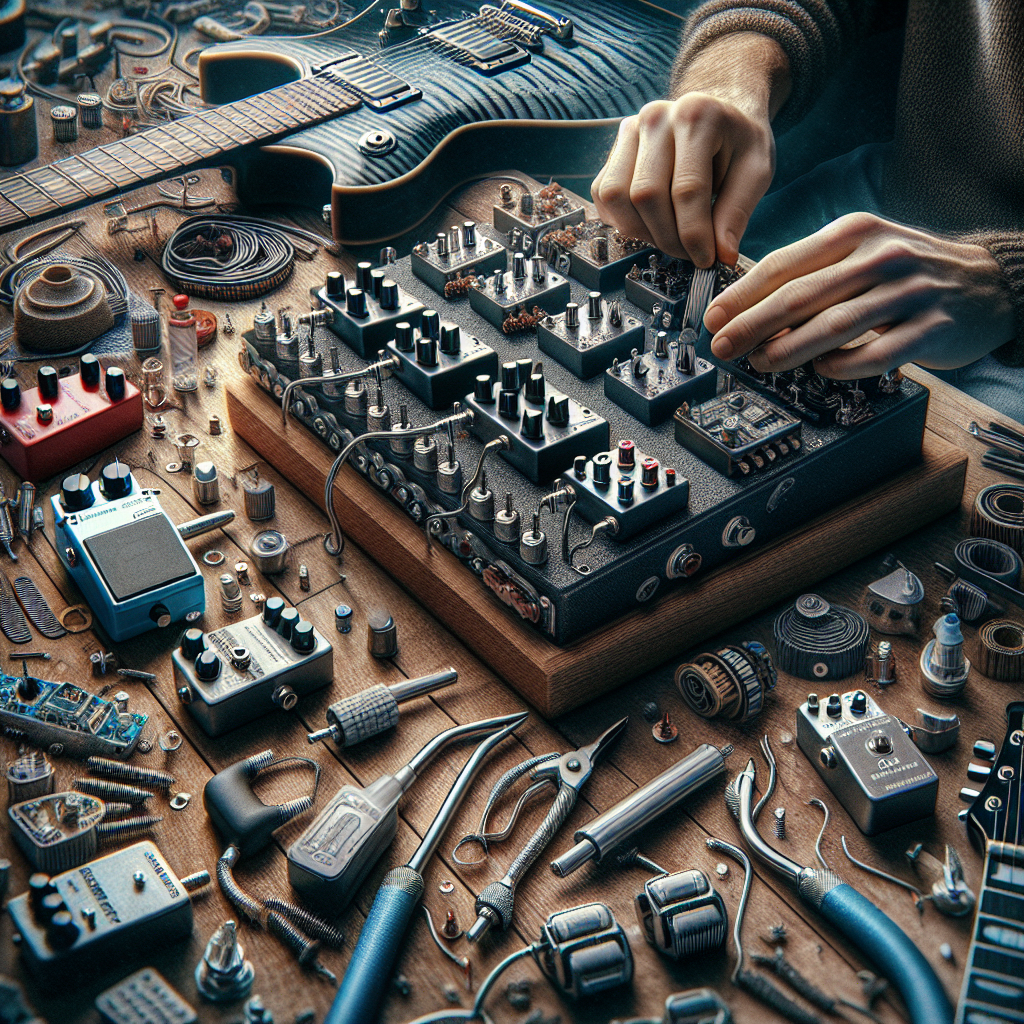
10 Essential Tips for Stacking Overdrive Pedals Like a Pro
Stacking overdrive pedals is an art form that every guitarist should explore to achieve those distinctive tones and sounds they crave. Whether you’re chasing the iconic lead tones of your favorite rock legends or seeking to create a unique sonic signature, stacking overdrive pedals can take your sound to the next level. This comprehensive guide will explore why stacking overdrives is essential, offer expert advice on maximizing your pedal combinations, and answer common questions about this exciting technique.
1. Understanding the Basics of Overdrive Pedals
Overdrive pedals are essential for any guitarist looking to enhance their sound. They work by boosting your guitar’s signal, pushing your amplifier into a natural-sounding overdrive. This effect can range from a subtle warmth to aggressive distortion, depending on how the pedal is set and the amp you’re using. To fully appreciate the value of stacking overdrives, it’s crucial to understand what each pedal brings to the table and how your amplifier responds to these changes.
2. Selecting the Right Overdrive Pedals
Selecting the right overdrive pedals is crucial to achieving the desired tone. Overdrives can vary significantly in their tone, gain range, and other features. Classic models like the Ibanez Tube Screamer are known for their mid-range boost, while pedals like the Fulltone OCD offer a broader frequency response. When stacking, consider using pedals that complement each other’s strengths and fill in any frequency gaps. It’s all about blending the tones harmoniously.
3. Order Matters: Which Comes First?
The order in which you stack your pedals drastically affects the final output. A general rule of thumb is to put the pedal with lower gain before higher gain pedals to keep your sound tight and controlled. But there are no hard rules—experimentation is key. For example, placing a high-gain pedal before a low-gain overdrive can provide a unique boost in sustain and compression, creating a lead sound that cuts through the mix. Start with conventional orders and slowly switch the sequence to hear how your tone evolves.
4. Blending and Balancing the Tone
Stacking overdrive pedals is not only about adding gain. Balancing and blending the tone is equally important to avoid a muddy sound. Utilize the EQ settings on each pedal to sculpt your tone. If one pedal emphasizes treble, use another to round out the bass. This approach ensures that your stacked pedals work together rather than fighting for frequency space. Pay attention to the tonal overlap to create a cohesive and powerful tone rather than an overwhelming noise.
5. Practice Makes Perfect: Experimenting with Stacking
Every guitarist’s gear and technique is unique, making the stacking process a personal journey. Dedicate time to experimenting with different combinations and settings to discover what works best for you. Try different genres, explore varying dynamics, and record your sessions to evaluate your progress. The interaction between pedals, the guitar, and the amp can yield surprising and delightful results that can only be unlocked through hands-on experimentation.
FAQs
1. How many overdrive pedals should I stack?
There is no set number, but most guitarists typically stack two to three overdrives. Having a few allows for versatility without overwhelming your signal path.
2. Can I use other effects with stacked overdrives?
Absolutely! Effects such as delay, reverb, or modulation pedals can add further depth to your sound, but ensure they’re placed in the right order to avoid losing clarity.
3. Why does my tone sound muddy?
Muddiness usually occurs if the pedals fight for the same frequency range or if too much gain is applied. Adjust your pedal settings and EQ to clean up your tone.
4. Do I need a specific type of amp for stacking overdrives?
While a tube amp is often preferred for its natural overdrive and warmth, any quality amp can work well with stacked pedals. The key is how well it handles the increased output.
5. What’s the difference between overdrive and distortion pedals?
Overdrive pedals push your amp to achieve a natural break-up tone, while distortion pedals create their gain stage. They can be used together but will yield different results.
6. Can stacking overdrives damage my amp?
Properly handled, stacking overdrives will not damage your amp. However, always monitor your levels to avoid overloading the amp’s input, which can result in unwanted clipping.
Conclusion
Exploring the potential of stacking overdrive pedals opens a world of sonic possibilities. By paying attention to pedal selection, order, and tone blending, you can craft a signature sound that shines in any setting. Don’t be afraid to experiment and tweak your setup. Remember, every legendary tone started with trial and error, and your unique sound awaits discovery. Happy playing!
For further tips and in-depth analysis on guitar techniques, you may visit [Sweetwater](https://www.sweetwater.com). They provide a wealth of resources and expert advice to enhance your musical journey.