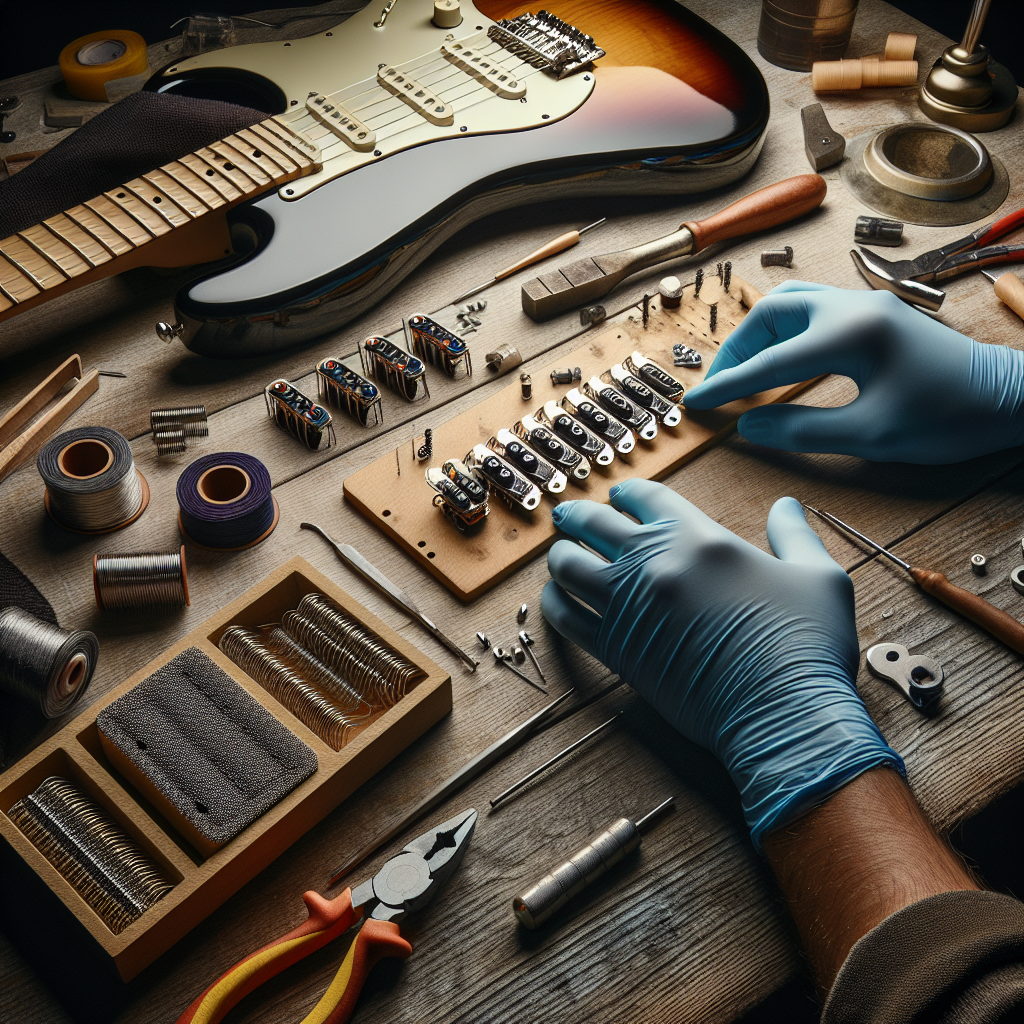
7 Proven Steps to Swapping Magnets in Pickups for a Unique Sound
The world of guitar customization offers countless possibilities to modify and enhance your instrument. One such customization that promises a distinctly unique sound is swapping magnets in pickups. Whether you’re a seasoned musician or a hobbyist guitarist, understanding the nuances of your guitar’s pickups and experimenting with different magnets can drastically change your instrument’s tonal character. This article will guide you through the process of swapping magnets in pickups and delve into details that ensure you achieve your desired sound.
1. Understanding Pickup Magnets
Pickup magnets are fundamental to capturing the strings’ vibrations and converting them into an electrical signal, which defines your guitar’s sound. Commonly found magnets include Alnico 2, 3, 5, and Ceramic. Each type has distinct tonal qualities; for example, Alnico 5 is known for a brighter tone, while Alnico 2 tends to produce a warmer sound. Understanding these differences is crucial before you decide to swap magnets as it helps you predict the tonal change in your guitar.
2. Gathering the Necessary Tools and Materials
Swapping magnets in pickups demands precision and the right tools. Here’s a list of essential items you’ll need:
- Screwdriver
- Soldering iron and solder
- Magnetic polarity tester or a compass
- Replacement magnets (make sure they match the size and type of your current magnets)
- Protective eyewear and gloves
Having these tools ready and in good condition is vital. It ensures the process goes smoothly without any mishaps, protecting both you and your guitar from potential damage.
3. Preparing for the Magnet Swap
Before you begin, ensure you have your workspace organized and that your guitar is secure and stable during the process. Follow these steps to get started:
4. The Process of Swapping Magnets
Here’s where precision meets practice. Follow these instructions to safely swap your magnets:
5. Testing Your New Sound
With the new magnet installed, it’s time to re-string your guitar and test the sound. Plug your guitar into your amplifier and experiment with various tones and settings to notice the changes. Some magnet swaps might result in subtle differences, while others may offer a stark contrast. Listen closely to how these changes affect your playing style and adjust your technique as needed.
6. FAQs about Swapping Pickup Magnets
1. Can I swap magnets in all pickups?
Not all pickups are designed to allow easy magnet swaps, especially encapsulated or active pickups. Check the specifications of your pickups before proceeding.
2. How does the magnet type affect tone?
The magnet type largely influences the tonal output—Alnico magnets tend to provide warmth, while Ceramic magnets offer brightness and high output.
3. Can I damage my pickups during the swap?
Yes, this can happen if the proper polarity is not maintained or if the coils are damaged during handling. Always proceed with caution.
4. Do magnet swaps affect pickup output?
Yes, different magnets can change the output level of your pickups. Higher strength magnets often result in higher output.
5. Is it necessary to adjust pickup height after swapping magnets?
Often it is beneficial to re-adjust the pickup height to optimize the guitar’s tonal response with the new magnets.
6. Can I revert back to my old magnets if I’m not satisfied?
Yes, as long as the original magnets were not damaged during removal, you can reinstall them.
Conclusion
Swapping magnets in your pickups can lead to a fascinating exploration of sound and open creative avenues. These simple changes can make substantial differences in resonance, sustain, and tonal quality. Encourage yourself to experiment and listen deeply to discover the perfect match for your playing style. Remember, the key to guitar customization is patience and careful execution. For further reading, you can explore detailed guides and expert opinions on pickup modification in reputable resources such as Premier Guitar. So, grab your tools, tweak those magnets, and expand the potential of your beloved instrument!