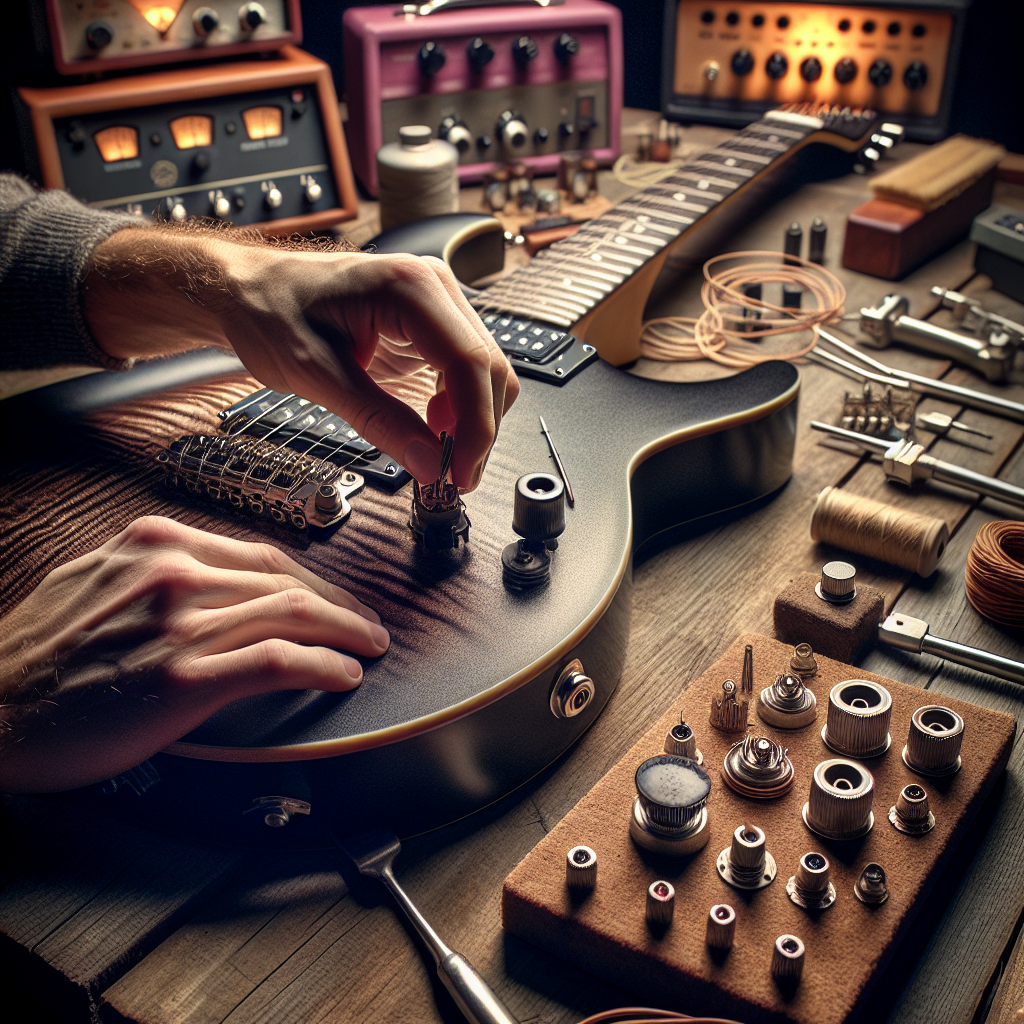
7 Tips to Choose the Perfect Capacitor Values for Tone Pots
The tone of a guitar is one of the most defining features of a musician’s sound. As many guitar enthusiasts will affirm, selecting the right capacitor values for tone pots can dramatically change your instrument’s sound. If you’re new to guitar modification or looking to hone your signature sound, understanding this process is invaluable. In this guide, we’ll break down the essentials to help you choose the perfect capacitor values for tone pots.
Understanding Capacitors and Tone Pots
Before diving into how to choose capacitor values, it’s crucial to understand the role they play in a guitar. Capacitors are electronic components that store and release electrical energy. In guitars, they are used alongside potentiometers (pots) to adjust tone. The potentiometer acts as a variable resistor, and when paired with a capacitor, it helps to filter high-frequency signals, thus adjusting the treble and bass of your sound. Different capacitor values mean different frequencies are being affected, which in turn changes the guitar’s tone.
The Role of Capacitance Value
Measured in microfarads (µF), the capacitance value of a capacitor determines how much high-frequency sound is filtered out. The higher the capacitance value, the more treble is cut from the signal. Common values range from 0.022µF to 0.047µF for electric guitars. A 0.022µF capacitor will retain more treble, resulting in a brighter sound, whereas a 0.047µF capacitor will produce a warmer, bass-heavy tone.
Standard Capacitor Choices for Electric Guitars
When selecting a capacitor, it’s wise to consider what’s traditionally used for your type of guitar. For instance, a Fender Stratocaster often uses 0.022µF capacitors, while a Gibson Les Paul might feature a 0.047µF capacitor. These choices are not set in stone but are starting points based on classic sound profiles associated with these instruments.
Experiment to Find Your Signature Sound
Amplifying your unique sound might take a bit of experimentation. Try out a few different capacitor values to see which suits your style and genre. If you’re unsure where to start, consider soldering capacitors with alligator clips to quickly switch them out. This method allows you to listen to how each value affects your tone without committing to a permanent change.
Other Factors to Consider
While choosing the right capacitor values is essential, consider other factors like the type and make of the capacitor. Different materials, such as ceramic or polyester, can also influence the tone. Additionally, the overall wiring and circuitry of your guitar, including the type of pickups used, will affect how the capacitors perform.
FAQs
1. Why does the capacitor value affect my guitar’s tone so much?
The capacitor together with the tone pot acts as a tone filter. It cuts treble frequencies from the signal, shaping your guitar’s audio output. The value of the capacitor determines how much high-end frequency is filtered out.
2. Can I use capacitors with values outside the standard range?
Yes, while traditional values are most common, experimenting with different values like 0.01µF or 0.1µF can create unique tones. It ultimately depends on your preferred sound signature.
3. What is the difference between ceramic and film capacitors?
Ceramic capacitors are generally cheaper and smaller, while film capacitors are often said to offer superior sound quality, with less signal distortion, although this can vary depending on individual preference.
4. How do I install a new capacitor in my tone pot?
To replace a capacitor, first desolder the old component from the tone pot. Then attach the new capacitor via soldering. Ensure you connect it properly to avoid any sound issues, and consult a soldering guide if needed.
5. Does the capacitor type affect the guitar’s tone or just the value?
Both type and value can affect the tone. While value dictates the frequency cutoff, the type can subtly influence how the frequency cut is perceived.
6. Can the values of the tone pots also influence the sound of my guitar?
Yes, the resistance value of the tone pots can affect how the capacitor interacts with the guitar’s signal. A 250k pot will often pair with single-coil pickups, whereas a 500k pot is typically for humbuckers to preserve brightness.
Guitars are just as unique as the musicians who play them. By choosing the right capacitor values for your tone pots, you can transform your instrument into a vessel that truly reflects your musical identity. Whether you’re emulating legends or crafting a sound all your own, the capacitor is a crucial component in your tonal toolbox. Remember to experiment, trust your ears, and above all, enjoy the journey toward perfecting your unique sound.
For more in-depth information about guitar electronics, check out Seymour Duncan’s guide on capacitors.